Dental Sealants: An Extra Layer of Protection Against Cavities
Brushing and flossing are essential for preventing cavities, but some areas of your teeth are more difficult to keep clean than others. The deep grooves and pits on the chewing surfaces of back teeth can trap food and bacteria, increasing the risk of tooth decay.
At Crosstown Dental Group Hershey, dental sealants in Hershey, PA can provide an additional layer of protection for cavity-prone teeth and complement a good daily oral hygiene routine.
What Are Dental Sealants?
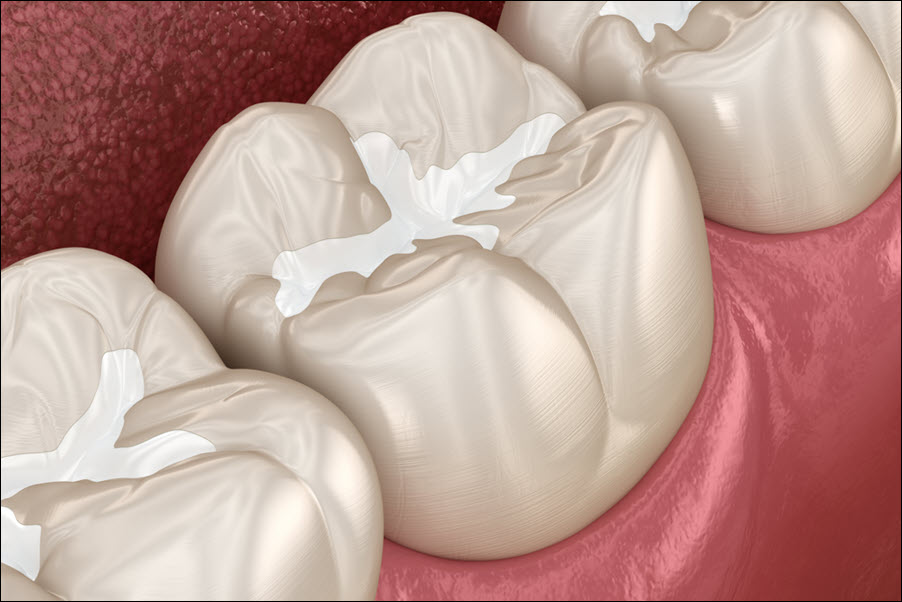
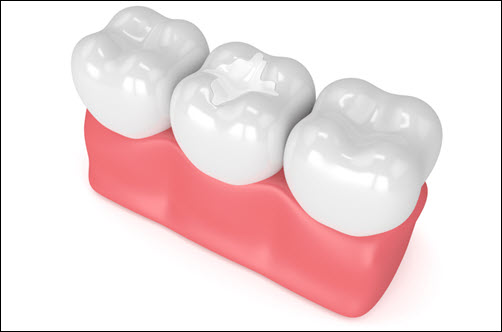 Dental sealants are thin protective coatings applied to the chewing surfaces of teeth, most commonly the premolars and molars. These back teeth naturally contain grooves that help you grind and chew food.
Unfortunately, some grooves are narrow or deep enough to make cleaning with a toothbrush difficult. Plaque and food particles can remain in these areas and contribute to cavities.
A dental sealant covers these grooves with a protective barrier, creating a smoother surface that is easier to keep clean.
Who Can Benefit From Dental Sealants?
Dental sealants are frequently recommended for children and teenagers. Applying sealants soon after permanent molars erupt can help protect these teeth during years when the risk of developing cavities may be higher.
However, sealants are not only for children. Some adults with healthy back teeth that have deep grooves or pits may also benefit.
Your dentist can examine your teeth and determine whether dental sealants are appropriate based on your individual risk for tooth decay.
How Are Dental Sealants Applied?
Getting dental sealants is generally a quick and comfortable procedure. No drilling or removal of healthy tooth structure is typically required.
First, the tooth is thoroughly cleaned and dried. The surface is then prepared so the sealant can bond effectively. The liquid sealant material is carefully applied to the grooves of the tooth.
A special curing light may be used to harden the material. Once the sealant has set, your dentist checks the tooth and your bite.
The entire process can usually be completed in just a few minutes per tooth.
How Long Do Dental Sealants Last?
Dental sealants can provide protection for several years, although they may gradually wear down or become damaged over time.
During routine dental examinations, your dentist can check existing sealants to make sure they remain intact. If a sealant has worn away or chipped, it may be repaired or replaced when appropriate.
Sealants are only one part of cavity prevention. Teeth with sealants still need regular brushing and flossing.
Do You Still Need Fluoride?
Yes. Dental sealants and fluoride provide different types of protection.
Sealants primarily protect the pits and grooves on the chewing surfaces of teeth. Fluoride helps strengthen tooth enamel and protect other exposed surfaces from decay.
Using fluoride toothpaste, maintaining good oral hygiene, limiting frequent sugary snacks and drinks, and scheduling regular dental visits all work together to help prevent cavities.
Dental Sealants in Hershey, PA
Preventing a cavity is easier than repairing one. Dental sealants offer a simple preventive option that may help protect vulnerable back teeth from decay.
Crosstown Dental Group Hershey provides dental sealants and preventive dentistry for children, teenagers, and adults in Hershey and surrounding Central Pennsylvania communities. Contact our office to schedule an appointment and find out whether dental sealants are a good choice for you or your child.
