Endodontics: Saving Teeth and Alleviating Pain
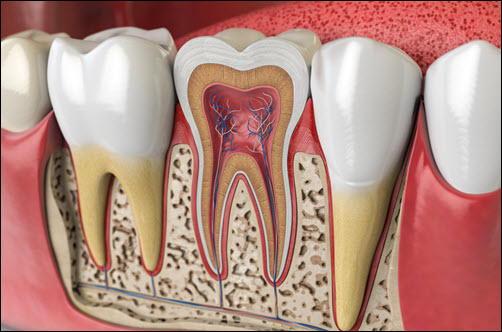
Endodontics dentistry focuses on treating the dental pulp and the tissues surrounding the root of a tooth. It plays a critical role in saving teeth that might otherwise need to be extracted. The most common endodontic treatment is root canal therapy. The root canal procedure has garnered an undeserved reputation for being painful. In reality, root canal therapy is a pain-relieving treatment that can save a tooth and eliminate the discomfort caused by pulp infection.
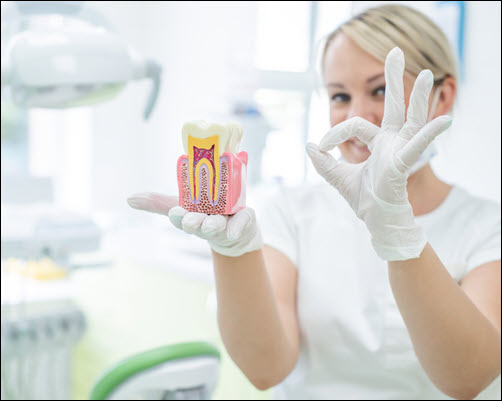 The primary benefit of endodontic treatment is its ability to preserve natural teeth. Saving a natural tooth through root canal therapy prevents the need for more costly and complex dental procedures, such as bridges or implants. Preserving the natural tooth also helps maintain the alignment of surrounding teeth. This prevents issues related to bite and jaw joint problems.
Moreover, endodontic treatment effectively eliminates the pain associated with infected or inflamed pulp tissue. Modern techniques and anesthesia make root canal therapy a comfortable experience for patients. In fact, many report minimal discomfort during and after the procedure. By removing the infected pulp, dentists can alleviate pain and prevent the spread of infection to surrounding tissues. Likewise, they reduce risk of infection to the bloodstream, which can lead to more severe health complications.
Another advantage of endodontic treatment is its high success rate. With advancements in techniques, root canal therapy has become an increasingly effective and durable solution for preserving teeth. Properly performed, a root canal-treated tooth can last a lifetime with routine dental care.
In essence, endodontics offers a valuable service by saving teeth that would otherwise be lost. Likewise, it relieves pain, and prevents further health complications. Through the expertise of endodontic specialists, patients can enjoy the benefits of a healthy, fully functional smile. If you’re in need of a root canal procedure, Crosstown Dental Group Hershey is ready to help.

 The Toothbrush: Electric or manual
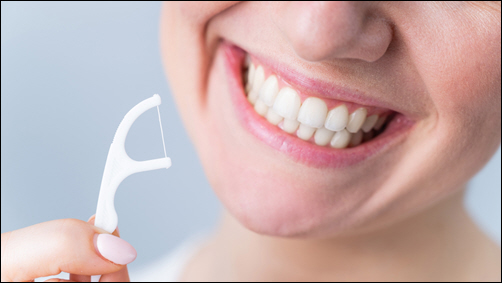 The mouth serves as a gateway to the rest of the body, meaning that bacteria or inflammation here can spread and impact other areas. Poor oral hygiene allows bacteria to multiply, leading to gum disease and tooth decay, which can eventually become systemic if untreated. When inflammation and bacteria from gum disease enter the bloodstream, they increase the risk of serious health conditions, including heart disease, diabetes, and respiratory infections.
 Crunchy Fruits and Vegetables
 Sugar-filled Drinks